


Biblical Meaning of 3: the Trinity and Divine Completeness
Have you ever wondered why the number three pops up everywhere in the Bible? It’s more than just a numerical quirk—it’s a heavenly wink packed with significance! In this enlightening article, “Biblical Meaning of 3: The Trinity and Divine Completeness,” we’ll take a humorous dive into the divine trio: the Father, the Son, and the Holy Spirit. Join us as we uncover how this sacred number symbolizes completeness in God’s creation, reflections in nature, and even your favorite fairy tales (yes, three bears and three little pigs, we’re looking at you!). So grab your favorite caffeinated beverage—preferably in a three-mug set—and prepare to explore the divine depths and delightful insights woven into the fabric of this holy numeral. Let’s unravel the mystery and discover why three cheers for the number three are totally justified!
The Concept of the Trinity in Christianity
The Trinity represents a profound mystery within Christian theology, encapsulating the nature of God as three distinct persons in one divine essence: the Father, the Son, and the Holy spirit. This concept illustrates the complexity and completeness of God’s divine nature and His relational character. Each person of the Trinity plays a unique role yet exists in complete unity, signifying that God’s essence is inherently relational.
Key aspects of the Trinity include:
- The Father: The creator and sustainer of all. He is frequently enough seen as the guiding force, embodying love, authority, and sovereignty.
- The Son: Jesus Christ, who became incarnate, redeeming humanity through His sacrifice. His life exemplifies God’s love and empathy towards humanity.
- The Holy Spirit: The active presence of God in the world today, guiding, comforting, and empowering believers to live according to God’s will.
From a biblical perspective, several passages illustrate the concept of the Trinity:
| Scripture | Reference |
|---|---|
| Great Commission | Matthew 28:19 |
| God’s Oneness | Deuteronomy 6:4 |
| The word was God | John 1:1 |
| Seal of Promise | Ephesians 1:13-14 |
This biblical foundation shapes the understanding of divine completeness through the Trinity, revealing that God operates in love and harmony. The triune nature of God invites believers into a deeper relationship with the divine, encouraging them to reflect the unity, love, and community that characterize God’s very being.
Understanding the Significance of Three in Scripture
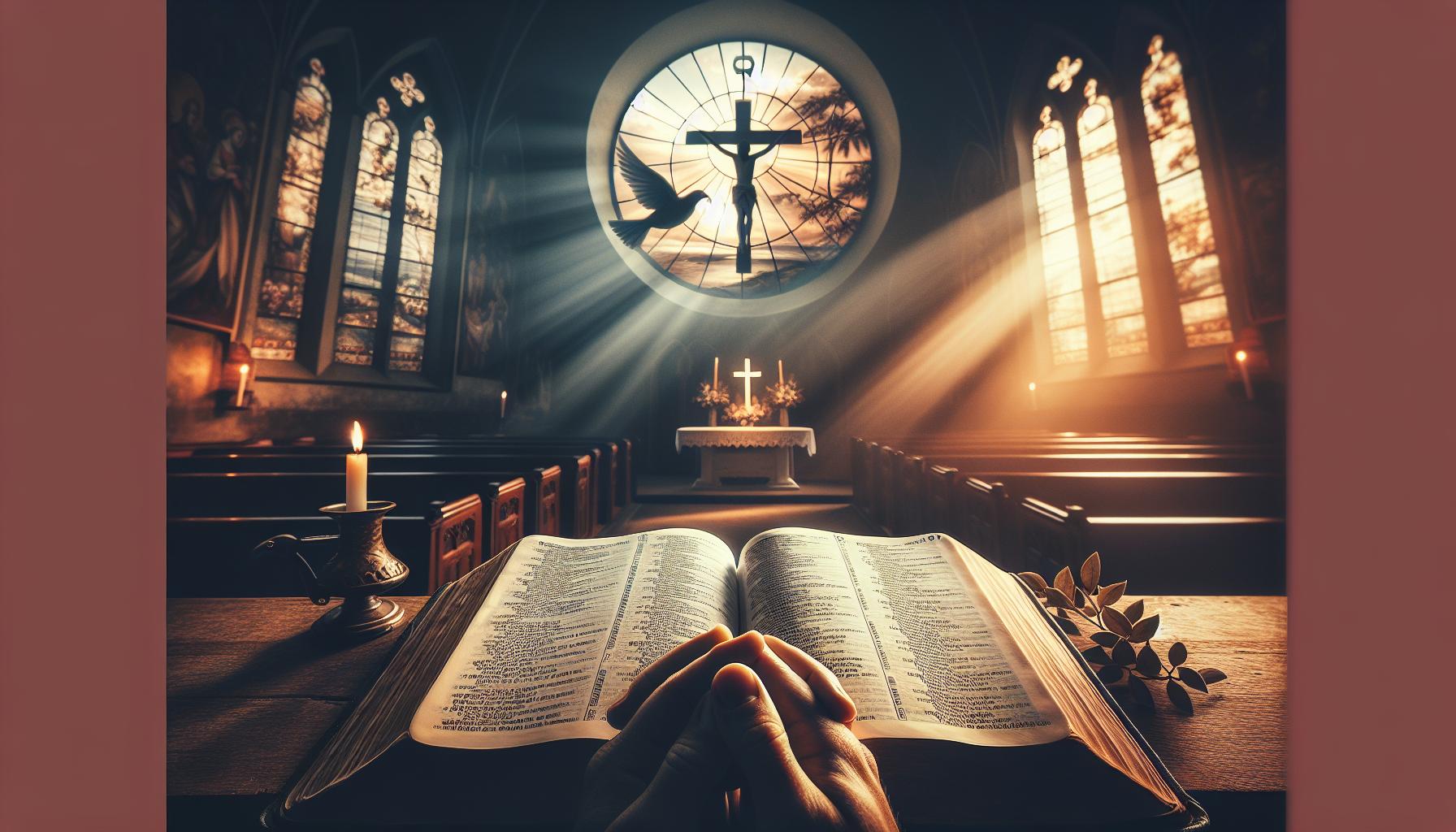
the number three holds profound significance in Scripture, frequently enough serving as a symbol of divine completeness and the nature of God. Central to this understanding is the concept of the Trinity, reflecting the unique relationship between the Father, the Son, and the Holy Spirit. This triune nature of God is not just a theological doctrine but a foundational truth that permeates the biblical narrative,revealing the intricate dynamics of divine love,redemption,and communion.
Throughout the Bible, the symbolism of three manifests in various forms, including:
- the Resurrection: Jesus rose on the third day, defeating death and solidifying the promise of eternal life.
- Paul’s Writings: In 1 Corinthians 13:13, Paul states, “And now these three remain: faith, hope, and love.” This highlights the triadic nature of essential christian virtues.
- Heavenly Beings: In Isaiah 6:3, the seraphim call out, “Holy, holy, holy is the LORD Almighty,” emphasizing God’s holiness through repetition of the number three.
Moreover,three often represents a fullness or completeness in God’s creation. The biblical narrative frequently intertwines the number with crucial events, such as:
| Event | Significance |
|---|---|
| The Triumphal Entry | Jesus’ entry into Jerusalem fulfilled prophecies and established His kingship, marked by three crowds of followers. |
| Peter’s Denial | After denying jesus three times, Peter’s restoration by Christ emphasizes forgiveness and redemption. |
| The Three Gifts of the Magi | Gold, frankincense, and myrrh symbolize Christ’s kingship, divinity, and suffering, revealing the comprehensive nature of His mission. |
the number three in Scripture embodies a deep and multifaceted significance.From the essential truths of the Trinity to the depiction of divine completeness in God’s acts, it serves as a reminder of the intricate ways in which He interacts with creation. Each mention of three in the Bible invites contemplation, urging believers to explore the richness embedded within their faith journey.
Historical Perspectives on the Trinity and Faith
The concept of the Trinity has been a profound theme throughout the Christian tradition, inviting theological exploration and debate from its early days. Rooted in the very fabric of scriptural understanding, the Trinity reflects a divine completeness that transcends human comprehension. Early church fathers like Tertullian and Augustine played essential roles in articulating this doctrine, framing it through a biblical lens that emphasizes the coexistence and co-equality of the Father, Son, and Holy Spirit.
Historically, the formulation of the Trinity has been pivotal in establishing the Christian identity. Key moments, such as the Council of Nicaea in 325 AD, sought to unify Christian belief against prevailing heresies. this council affirmed the divinity of Jesus, countering Arianism, which denied the Son’s divine status. The Nicene Creed emerged from these discussions, succinctly expressing the essential beliefs regarding the nature of God and the relationship among the three persons:
- Unity in Essence: The Father, Son, and Spirit are of one essence.
- Divine distinction: Each person is distinct yet equally God.
- Co-eternality: All persons of the Trinity exist eternally and are present in the life of believers.
Throughout the Middle Ages and into the Reformation, the doctrine continued to evolve, mirroring the complexities of faith in practice. Protestants emphasized personal faith and direct access to the divine, while still acknowledging the Trinity. This shift underscored the relational aspect of God, were believers are invited into a dynamic relationship with each person of the Trinity. Historical perspectives on the Trinity reveal not just a theological assertion but a transformative framework for understanding divine nature and human faith.
Exploring the symbolism of Three in Biblical Narratives
The number three emerges as a significant symbol in Biblical narratives, richly contributing to the themes of divine completeness and the nature of God. From the inception of the scriptures, three represents a triadic structure, embodying the idea of wholeness and perfection. This theme is notably personified in the Holy Trinity—the Father, the Son, and the Holy Spirit—illustrating God’s multifaceted presence in the world.
Several key Biblical incidents highlight the symbolism of three:
- Resurrection on the Third Day: Jesus rose from the dead on the third day, a pivotal event that affirms his divinity and the promise of eternal life.
- Three Gifts of the Magi: The Magi presented Jesus with gold, frankincense, and myrrh, symbolizing his royalty, divinity, and humanity, respectively.
- The Triumvirate of Faith: Paul speaks of faith, hope, and love in 1 Corinthians 13:13, underscoring the completeness of Christian virtues.
Moreover, the Pentateuch introduces three key pilgrimage festivals: Passover, Shavuot, and Sukkot, each representing significant aspects of the Israelites’ journey and relationship with God. These festivals not only connect the faithful to their history but also serve as reminders of God’s continuous guidance.
The prevalence of the number three further resonates in the structure of numerous Biblical themes, where it often signifies a divine order amid chaos. To illustrate this, consider the following table showcasing instances where three holds profound significance:
| Instance | Significance |
|---|---|
| Peter’s Denial | Peter denied Christ three times, illustrating human frailty and the need for forgiveness. |
| The Three Temptations | Jesus faced three temptations in the wilderness, emphasizing the strength of his mission. |
| Three Days in the Belly of the Fish | Jonah spent three days in the fish, symbolizing transformation and the power of repentance. |
The Role of the Trinity in Christian Theology
The doctrine of the Trinity holds a central place in Christian theology, emphasizing the existence of one God in three distinct persons: the Father, the Son, and the Holy Spirit. This foundational belief reflects divine completeness, serving as a framework for understanding God’s nature and His relationship with humanity.
Each person of the Trinity plays a vital role:
- The Father: Often seen as the creator and sustainer of all life, He embodies the source of love and authority within the godhead.
- the Son: Jesus Christ, fully divine and fully human, reveals God’s character and redemptive plan through His life, death, and resurrection.
- The Holy Spirit: Acts as the active presence of God in the world today, guiding, comforting, and empowering believers in their spiritual journeys.
The unity of the Trinity demonstrates a model of perfect relationship and community, offering a profound understanding of how love operates within the context of God’s nature. This divine relationship invites believers into a deeper communion with God, marked by a shared experience of grace and purpose. Below is a simple table illustrating key attributes associated with each person of the Trinity:
| Person | Key role | Attributes |
|---|---|---|
| The Father | Creator | Authority, Sovereignty, Love |
| The Son | Redeemer | Incarnation, Sacrifice, Truth |
| The Holy Spirit | Comforter | Guide, Empowerment, Conviction |
Through exploring the roles and relationships within the Trinity, Christians can gain a more holistic view of God’s purpose and His desire for a relationship with humanity. This theological understanding shapes worship, community life, and personal faith, fostering an environment where believers can thrive in the fullness of their spiritual journey.
practical Implications of Divine Completeness in Daily Life
The concept of divine completeness, as exemplified by the Trinity, offers profound insights that can significantly impact our everyday lives. Recognizing the harmonious relationship between the Father,Son,and Holy Spirit can encourage individuals to seek a sense of unity and balance in their personal and communal interactions. By emulating this divine model, one can strive to cultivate certain core values essential for spiritual and personal growth:
- Unity: Embracing the idea of oneness amidst diversity teaches us to foster harmony within our families, communities, and workplaces.
- collaboration: Just as the trinity works together in perfect harmony, we can enhance our effectiveness in teamwork by appreciating the strengths and contributions of each individual.
- Integrity: The completeness of the divine relationship encourages us to live authentically, aligning our values and actions in all spheres of life.
- Compassion: Understanding God’s relentless love fosters a deeper compassion for others, inspiring acts of kindness and support in our daily interactions.
moreover, recognizing divine completeness in daily life can assist individuals in dealing with challenges. For exmaple:
| Challenge | Application of Divine Completeness |
|---|---|
| Conflict Resolution | Utilizing the Trinity’s model of dialog and understanding can help navigate disagreements with grace. |
| Loss and Grief | Finding solace in the completeness of God’s love offers comfort during times of sorrow. |
| Personal Growth | Reflecting on the unity of the Trinity can inspire individuals to seek their own wholeness across mind,body,and spirit. |
Incorporating these principles into daily life fosters an environment of spiritual growth and community,enabling us to experience a deeper sense of purpose and fulfillment. By leaning into the lessons of divine completeness, we can transform our daily experiences into opportunities for deeper connection, understanding, and love.
Comparative Analysis of Three as a Sacred Number Across Cultures
The number three has held a revered position in various cultures throughout history, symbolizing unity, balance, and completeness. In a multitude of traditions, it embodies a profound spiritual significance that transcends mere numeral value. Notably,the concept of the Trinity in Christianity illustrates this divine completeness,consisting of the Father,the Son,and the Holy Spirit,each representing a different facet of the same essence.
Across cultures, the number three manifests in diverse forms and meanings:
- In Hinduism, the Trimurti represents Brahma (the creator), Vishnu (the preserver), and Shiva (the destroyer) as three aspects of supreme divinity.
- In Buddhism,the Three Jewels—Buddha,Dharma,and Sangha—symbolize the foundation of the faith.
- Native American cultures often regard the number three as a sacred number that signifies strength and balance, represented in mythologies and ceremonial practices.
moreover, the use of the number three significantly impacts storytelling and interaction, reinforcing the notion of completion. This is evident in the structure of narratives,where stories frequently enough follow a triadic format,consisting of a beginning,middle,and end. This pattern not only simplifies complexity but also resonates with human cognition, making it easier to remember and relate to.
| Culture | Significance of Three |
|---|---|
| Christianity | The Trinity: Father, Son, Holy Spirit |
| Hinduism | Trimurti: Brahma, Vishnu, Shiva |
| Buddhism | Three Jewels: Buddha, Dharma, Sangha |
| Native American | Symbol of strength and balance |
Embracing the Concept of Three for Spiritual Growth and Community Connection
In exploring the biblical significance of the number three, one uncovers a profound understanding of the Trinity, which embodies the essence of Divine completeness.This sacred number serves as a powerful reminder of the interconnectedness of spirit, mind, and body, encouraging individuals to cultivate spiritual growth by recognizing their place within a larger communal tapestry.
The Trinity—Father, Son, and holy Spirit—symbolizes not only the nature of God but also establishes a framework for human relationships and community living. By embracing this triad, believers can:
- deepen Personal Faith: Understanding the nature of God invites individuals to reflect on their spiritual journey.
- Enhance Community Bonding: The relational aspect of the Trinity fosters an environment of cooperation and love within communities.
- Encourage Mutual Support: Each member of a community can uplift one another, mirroring the supportive nature of the Trinity.
The significance of three extends beyond theology; it echoes throughout scripture, reminding us of the vital role that community plays in personal and spiritual growth. As a notable example, Jesus frequently enough sent his disciples in groups of two or three, illustrating the importance of fellowship in ministry and support. Building connections grounded in faith allows individuals to thrive together, embracing the holistic approach exemplified by the Trinity.
To visualize the essence of this spiritual and communal connection, consider the following table:
| Element | Significance |
|---|---|
| Father | Source of creation |
| Son | Embodiment of Love and Sacrifice |
| Holy Spirit | Guide and Comforter |
Embracing the concept of three not only enhances individual spirituality but also enriches the fabric of community life, ultimately leading to a more profound connection with the Divine and each other. Through this lens, we can actively pursue growth that is both personal and collective, embodying the principles of faith, love, and unity that the Trinity exemplifies.
frequently asked questions
What does the number 3 signify in the context of the trinity?
The number 3 holds profound significance within the concept of the Trinity, which comprises God the Father, God the Son (Jesus Christ), and God the Holy Spirit. This triune nature of God indicates a unity of three distinct persons in one divine essence. The foundational scripture that articulates this belief is found in matthew 28:19, where Jesus commands his followers to baptize in the name of the Father, the Son, and the Holy Spirit.This triad represents not only the complexity of God but also the relational nature of the divine.
From a theological perspective,the Trinity serves as a perfect model of community,love,and harmony. Each person of the Trinity is involved in the creation,salvation,and sanctification processes,highlighting diverse roles yet a unified purpose. For instance, God the Father is often seen as the creator and the source of authority, God the Son is the redeemer, and God the holy spirit is the active presence in believers’ lives. This triadic relationship illustrates how diversity within unity can produce divine completeness, reflecting a basic aspect of God’s nature.
How does the concept of completeness relate to the number 3?
The notion of completeness is essential in both biblical numerology and theological discussions. In biblical literature, the number 3 often represents wholeness and fullness. For example, in Genesis, God creates the world in six days and rests on the seventh, establishing a complete cycle. Additionally, the three patriarchs—Abraham, Isaac, and Jacob—form the foundation of the Jewish faith, highlighting a triadic structure that symbolizes the completeness of God’s covenant with His people.
Moreover, the use of the number 3 appears frequently throughout Scripture, reinforcing this idea of divine completeness. For instance, jesus’ resurrection on the third day (1 Corinthians 15:4) signifies not just his triumph over death but the completion of God’s redemptive plan for humanity. The repetition of this number in various contexts—like Peter’s three denials and the three gifts from the magi—further emphasizes its connection to essential spiritual truths. Thus, 3 emerges as a powerful symbol, encapsulating the fullness and comprehensive nature of God’s work.
In what ways does the number 3 reflect divine communication across Scripture?
The number 3 serves as a recurring motif throughout Scripture, illustrating different modes of divine communication and revelation. In various stories and teachings,the use of the number frequently signifies a critical moment of interaction between God and humanity. For example, the Bible presents significant events in sets of three: Jonah spends three days in the belly of a great fish, symbolizing God’s patience and mercy.
In the New Testament, Jesus emphasizes vital lessons through trifold repetition. As a notable example, in John 21, he asks Peter three times if he loves him, underscoring both forgiveness and the recommissioning of Peter as a leader in the early church. This pattern accentuates a deeper connection and communication from God, illustrating His desire for relationship with humanity. Each triad serves to reinforce core teachings about grace, forgiveness, and obligation, emphasizing the transformative power of divine communication.
How does the number 3 connect with significant biblical events?
Throughout the Bible, events marked by the number 3 frequently enough signify pivotal moments in God’s unfolding plan. A prime example is the resurrection of Jesus on the third day, which is central to Christian belief and demonstrates victory over sin and death. this act is celebrated annually during Easter, emphasizing the transformative power of resurrection and hope, which is a cornerstone of Christian faith.
Additionally, in the Old Testament, significant moments such as the three patriarchs—Abraham, Isaac, and Jacob—establish the covenant relationship with God that defines Israel. Their stories, filled with trials and faith, mirror the journey of divine interaction in humanity’s history. Furthermore, during pivotal battles or key decisions faced by leaders (such as Gideon), the insistence on triadic patterns often highlights divine intervention, emphasizing that God’s hand is at work even in moments of uncertainty or strife.
What role does the number 3 play in the life of jesus?
The journey of Jesus Christ demonstrates the profound significance of the number 3 in various aspects of His life and ministry. From His early years, where he is lost in the temple for three days, to His public ministry, wherein He performs numerous miracles that frequently enough involve triadic elements, the number resonates throughout His narrative. Jesus frequently enough performed miracles in sets of three, symbolizing completeness in His works, such as the healing stories involving three different blind men and the raising of three individuals from the dead.
Jesus also explicitly invokes the number 3 in His teachings. Most notably, His prediction of His own death and resurrection is mentioned on three occasions in the Gospels, emphasizing its monumental importance. Each time he forecasts this crucial event, he reaffirms the inseparable relationship between His sacrificial death and the promise of resurrection. This triadic structure not only highlights the continuity of His mission but also reassures His followers of the completeness of His work as the Savior.
Can the number 3 be seen as a tool for spiritual growth in a believer’s life?
Absolutely! The number 3 can be interpreted as a framework for spiritual growth and maturation in a believer’s life. Many spiritual traditions, including Christianity, emphasize the triadic nature of growth: understanding, action, and reflection.For example, believers are called to develop a deep understanding of their faith, enact it in their daily lives, and reflect on their relationship with God and others, creating a holistic spiritual journey.
Furthermore, in prayer and worship, the number 3 often appears, encouraging believers to approach God with all aspects of their being. Many religious practices incorporate triadic formations—such as the invocation of the Trinity during prayers or the three-fold elements of faith, hope, and love espoused in 1 Corinthians 13. This triad not only serves as a guiding principle but also helps believers to align their thoughts, actions, and emotions, promoting a more integrated and complete spiritual experience.Engaging with the symbolism of the number 3 can deepen a believer’s connection to their faith and enhance their spiritual growth journey.
To Conclude
As we embark on the profound journey through the biblical meaning of the number three, it’s clear that its significance transcends mere numerology. From its foundational role in the concept of the Trinity, embodying the relationship between the Father, Son, and Holy Spirit, to its representation of divine completeness throughout scripture, the number three invites us to explore the depths of our faith and the intricacies of spiritual symbolism.
Examples abound in biblical narratives—from the three gifts of the Magi to the three days between Christ’s crucifixion and resurrection—each instance reinforces the notion that three is not just a number, but a framework for understanding divine truth. By embracing the richness of these teachings, we can deepen our appreciation for the intricate ways in which God communicates with humanity.
In closing, weather you’re seeking to enhance your spiritual journey or simply wish to unravel the layers of biblical texts, considering the significance of the number three can illuminate your path. It encourages us to reflect on how divine attributes resonate within us and in our lives, guiding us toward completeness and unity in our own spiritual experiences. Thank you for exploring this profound topic with us, and we hope it inspires further study and reflection in your own faith journey.
Get our latest guides, news, and insights highlighted in your Google Search & AI Overviews.


