

Biblical Meaning of Frogs: Plague, Judgment, and Spiritual Lessons
When you think of frogs, perhaps you picture a slimy creature leaping through the air or croaking a tune by the pond. But what if I told you these amphibians have a much deeper—albeit slightly warty—significance in biblical texts? Welcome to your new favorite journey through the pages of scripture, where we’ll explore the biblical meaning of frogs, revealing how these jumpy little fellows symbolize plagues, divine judgment, and profound spiritual lessons. Spoiler alert: it’s not all lily pads and rainbows! Join us as we dive into the murky waters of ancient teachings to uncover the hilariously serious—and seriously hilarious—truth about frogs in the Bible. Get ready to leap into insights that might just change the way you view your next croaky encounter!
Understanding the Biblical Context of Frogs in Scripture
In examining the presence of frogs in biblical texts, their significance unfolds through various layers of meaning. Throughout the Scriptures, frogs often symbolize divine judgment and plagues, serving as a tangible depiction of God’s power and authority. One of the most notable references is found in Exodus 8:1-15, where frogs plague the land of Egypt as a sign of God’s anger against Pharaoh’s refusal to free the Israelites. This context illustrates not only the physical affliction upon Pharaoh and the Egyptians but also signifies a spiritual lesson about obedience and humility before God’s will.
Furthermore, in ancient Near Eastern cultures, frogs were often associated with fertility and life. The contrast between this belief and the biblical depiction of frogs as harbingers of destruction highlights the *irony* of their presence in the narrative. Through the plagues, frogs transition from a symbol of life to one of chaos, underscoring the theme of divine retribution. The presence of frogs emphasizes God’s sovereignty over nature and serves as a reminder that creation itself can turn against those who oppose the divine purpose.
In addition to their role in judgment, frogs impart spiritual lessons about spiritual warfare and cleansing. They are mentioned again in the book of revelation, where unclean spirits are likened to frogs as they emerge from the mouths of the beast and the false prophet (Revelation 16:13-14).This imagery serves to convey the idea of corruption and deceit, urging believers to remain vigilant against false teachings and spiritual contamination. The use of frogs in this context reinforces the necessity for discernment in our spiritual lives.
| Biblical Reference | Significance |
|---|---|
| Exodus 8:1-15 | Plague of frogs as judgment |
| Revelation 16:13-14 | Frog-like spirits representing deceit |

The Plague of Frogs: An In-Depth Look at Exodus 8
In Exodus 8, the second plague that befalls Egypt is the haunting image of frogs pouring out of the Nile and invading homes, spaces, and lives. This event is not just a curious anecdote but bears profound significance in its meanings and implications.The plague of frogs symbolizes both divine judgment and the abundance of life. Used by God as a means to confront Pharaoh, who had hardened his heart against the Israelites, the frogs serve as a physical representation of divine discontent.
From a spiritual perspective, the frogs can be seen as a manifestation of the chaos that ensues when one turns away from divine presence. Just as Egyptians were overwhelmed by the sheer number of frogs,individuals today can find themselves overwhelmed by the consequences of ignoring spiritual truths and responsibilities. In this regard, frogs embody:
- Disruption: A reminder of how disobedience can invade our lives unexpectedly.
- Call to Repentance: They symbolize the need to change one’s heart and align it with God’s will.
- Life and Fertility: In ancient cultures,frogs represented fertility; thus,their invasion also reflects the duality of life – that blessings can quickly turn to burdens.
| Symbolism of Frogs | Meaning |
|---|---|
| Plague | Judgment on disobedience |
| Overabundance | Consequences of excess |
| Spiritual Awakening | Call to reflection and change |
Furthermore, the episode is a theological commentary on the nature of God’s power versus the impotence of the gods of Egypt, specifically Heket, the goddess of fertility, depicted with a frog’s head. Through this narrative, the plagues gradually reveal their deeper purpose of showcasing God’s supremacy. It prompts believers to consider how faith and obedience can either invite blessings or lead to chaotic repercussions. Each leap of the frogs into the egyptian homes acted as a loud divine declaration of His desire for acknowledgment and reverence.The echoes of this ancient account resonate today, urging spiritual introspection and alignment with God’s will.
Symbolism of Frogs: Judgement and Transformation in Biblical Texts
Frogs hold a significant place in biblical symbolism, notably as instruments of judgment and transformation.One of the most telling instances can be found in the account of the Ten Plagues of Egypt, where frogs emerged as the second plague unleashed upon Pharaoh. This event encapsulates the themes of divine judgment against oppression and the call for transformation among both the oppressors and the oppressed. The overwhelming presence of frogs serves as a dramatic reminder of God’s power and a plea for change,urging the onlookers to reconsider their actions.
Furthermore, frogs are emblematic of transition and metamorphosis.In many instances, they symbolize what it means to undergo profound transformations, akin to the changes one experiences in faith. The biblical context suggests a movement from darkness to light, sin to redemption, paralleling the life cycle of a frog that evolves from a tadpole into its final form. This metamorphosis serves as a powerful metaphor for spiritual rebirth, emphasizing that judgment often leads to a call for a renewed and transformed life.
| Symbolism | Context | Meaning |
|---|---|---|
| Judgment | Plagues of Egypt | Consequences of sin, a call for repentance |
| Transformation | Life cycle of a frog | Spiritual rebirth, change in character |
| Abundance | Associated with water and fertility | Growth and prosperity |
As we reflect on the significance of frogs in biblical texts, it’s clear that their role extends beyond mere illustrations of plagues.They represent the duality of divine judgment and the promise of transformation, highlighting that through adversity and trials, opportunities for renewal can emerge. Engaging with these themes encourages deeper contemplation of the spiritual lessons embedded within the scriptures, inviting believers to embrace both judgment and transformation in their own lives.
spiritual Lessons from Frogs: What We Can Learn Today
Frogs have long served as potent symbols in various cultures,particularly within a biblical context. Throughout scripture, they often represent transition, renewal, and transformation. Their life cycle, from tadpole to adult frog, reflects the journey of spiritual growth and the importance of adaptability in the face of change. When considering the biblical accounts of frogs, especially during the plagues of Egypt, we can glean profound spiritual insights.
- Judgment and Consequence: The presence of frogs during the plagues serves as a reminder that our actions carry weight. Just as Pharaoh faced the consequences of his disobedience, we too must be aware of how our choices can lead to unforeseen repercussions.
- Call to Awareness: Frogs frequently enough emerge in large numbers during warming seasons,heralding change. This can symbolize our need to stay alert and recognize the shifts in our spiritual habitat, prompting us to evaluate our lives and intentions.
- Resilience in Adversity: Frogs thrive in various habitats, showcasing their ability to adapt. This teaches us about the strength to overcome our personal challenges and flourish even when faced with difficult circumstances.
Moreover, the frog’s unique characteristics can offer further lessons:
| Characteristic | Spiritual Lesson |
|---|---|
| Transformation | Embrace personal growth and the journey of becoming. |
| Vocalization | Speak your truth and share your voice with courage. |
| Ability to Thrive in Water and Land | Learn to navigate both the spiritual and physical realms effectively. |
As we reflect on these lessons,let us consider how the seemingly simple frog can inspire us to deepen our understanding of our faith,motivate us to seek personal growth,and challenge us to live with intention and awareness in our daily lives.
Theological Reflections: Frogs as a Metaphor for Sin and Consequences
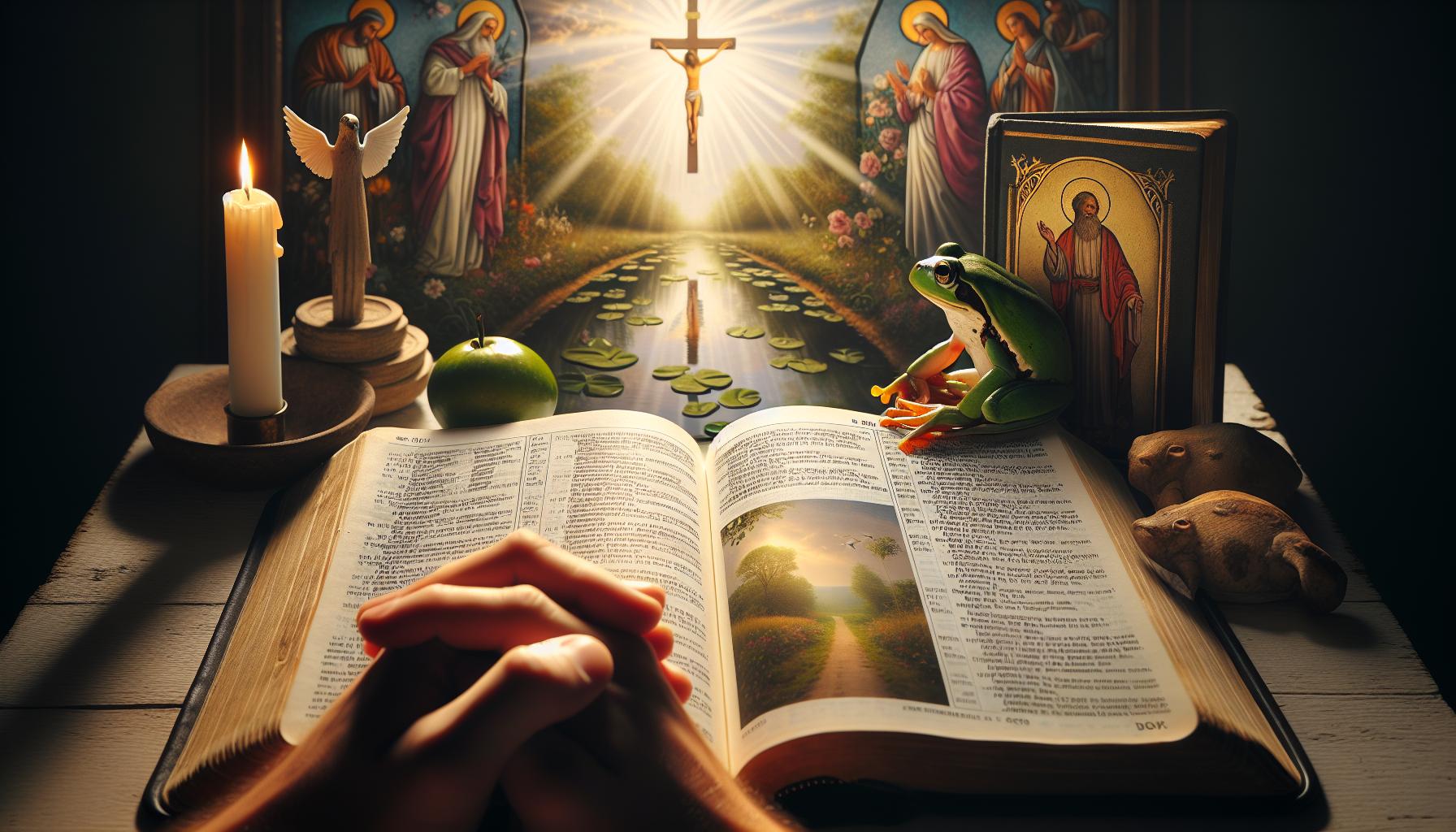
The biblical imagery of frogs, particularly as seen in the ten plagues of Egypt, serves as a profound reminder of the consequences of sin and the weight of judgment. Frogs, as a plague, encapsulate the chaotic nature of sin, invading the lives of those who stray from righteousness. In Scripture, frogs are often depicted as unclean creatures, aligning with the idea that sin can manifest in a multitude of disruptive ways, ultimately leading to societal and spiritual decay.
When reflecting on the metaphor of frogs in relation to sin, consider the following points:
- Invasive Nature: Just like the plague of frogs that overwhelmed Egypt, sin begins subtly yet can quickly multiply, becoming pervasive and uncontrollable.
- Judgment’s Unfolding: The frogs represented God’s judgment on pharaoh’s refusal to release the Israelites, illustrating that persistent disobedience can lead to severe consequences.
- Need for Repentance: The presence of frogs as a plague necessitated a call for repentance, urging individuals to turn back to God and seek His mercy.
| Aspect | Symbolism |
|---|---|
| Invasion of Life | Sin’s pervasive impact |
| Judgment | Consequence of hardness of heart |
| Repentance | Turn from sin towards redemption |
Ultimately, frogs in biblical narrative serve as a mirror reflecting the turmoil that accompanies sin. Their symbolic representation of judgment encourages believers to remain vigilant,recognizing that the path to restoration begins with acknowledgment of one’s transgressions and a heartfelt return to God’s grace. Through this lens, the story of the frogs unfolds as not just an account of divine wrath, but a compelling call to spiritual growth and renewal.
Frogs in Literature and Culture: Their Enduring Symbolism
Frogs have long occupied a unique space within literature and culture, often symbolizing transformation, fertility, and the supernatural. Their enduring presence can be traced back to various texts, including the Bible, where they embody themes of divine judgment and moral lessons. In the account of the ten plagues of Egypt, the second plague famously features frogs as signs of God’s wrath against Pharaoh, illustrating their dual identity as both destructive forces and agents of change.
In many cultural narratives, frogs symbolize metamorphosis, reflecting the capacity for change and renewal. They are frequently enough depicted as bridges between different worlds—land and water, human and animal—making them poignant symbols for transformation in both physical and spiritual realms. Notable examples of frogs in literature include:
- The Frog Prince: A tale of transformation through love and promises.
- Macbeth: In Shakespeare’s work, frogs symbolize the supernatural and the lurking dangers of ambition.
- The Tale of Despereaux: Frogs appear as components of the moral complexities of the narrative.
Moreover, frogs frequently enough serve as cautionary figures in fables and parables, teaching valuable lessons about humility and the consequences of greed. Their multifaceted symbolism resonates through various cultures, as captured in the following table:
| Culture | Symbolic Meaning | Examples in Literature |
|---|---|---|
| Egyptian | Fertility and rebirth | Hymns honoring Heket, the frog goddess |
| Native American | Rain and abundance | Frog stories depicting rain-bringing rituals |
| European Folklore | Transformation | The Frog Prince fairy tale |
This rich tapestry of symbolism reveals how frogs convey profound and frequently enough contradictory messages—serving as reminders of nature’s power, the fragility of life, and the potential for redemption. Their multifaceted roles in literature invite readers to explore the deeper meanings behind these amphibian characters,encouraging reflection on the interconnectedness of the natural and spiritual worlds.
Practical Applications: Applying Biblical Lessons of Frogs to Modern Life
Frogs, as depicted in the Bible, offer rich symbolic meanings that can be paralleled with our modern life experiences. One of the most prominent lessons drawn from the biblical narrative is the significance of transformation. Frogs start their lives in water as tadpoles and undergo remarkable physical changes as they mature. This transformation mirrors the personal growth and metamorphosis many individuals undergo throughout their lives, particularly during challenging times. It encourages us to embrace change, adapt, and emerge stronger and wiser, much like frogs emerging from their tadpole stage.
Another key lesson revolves around the theme of heeding warnings. The biblical plagues, particularly the frog plague, serve as a metaphorical reminder of the consequences of ignoring signs or guidance in our lives. Just as Egypt faced consequences due to disobedience to God’s commands, we often encounter setbacks when we disregard wise counsel or ignore the warning signs present in our environment. Recognizing these signals early—be it in our personal lives, careers, or relationships—can frequently enough prevent larger issues from arising.
Incorporating the broader themes of judgment and humility, frogs prompt reflections on our choices and their consequences. Just as the plagues served as declarations of divine authority, our modern decisions can yield significant impacts on ourselves and those around us. Embracing a stance of mindfulness can steer us away from decisions that lead to detrimental outcomes. Implementing practices such as meditation or journaling can enhance our self-awareness,allowing us to evaluate our choices deliberately.
| Frog symbolism | Modern Submission |
|---|---|
| Transformation | Embrace personal growth and evolution. |
| Warnings | Pay attention to signs and advice. |
| Judgment | Reflect on choices and their impacts. |
| Humility | practice mindfulness and awareness. |
Faq
What is the significance of frogs in the context of the biblical plagues?
in the Bible, frogs are prominently featured in the second plague of Egypt, as outlined in the book of exodus (Exodus 8:1-15). this plague was crucial in demonstrating God’s power and the futility of Pharaoh’s resistance.The frogs overwhelmed the land, invading homes and causing widespread discomfort. This was not just a random act of nature but a direct challenge to Egyptian deities associated with frogs, such as Heket, the goddess of fertility and childbirth, who was often depicted with a frog’s head.
The significance of frogs during this plague illustrates a theme of divine judgment. The plague served as both punishment for Pharaoh’s disobedience and a tool for displaying God’s sovereignty over both the natural and supernatural realms. This act was symbolic of the larger narrative of the struggle between God and the false gods of Egypt, underscoring that obedience to the divine will is paramount. Moreover, the removal of the frogs after Pharaoh’s promise to release the Israelites also highlights the complexities of repentance and the stubbornness of the heart when faced with judgment.
What lessons can we draw from the symbolism of frogs in the bible?
Frogs in the Bible carry multifaceted symbolism that extends beyond the plagues. They represent transformation and growth, as frogs undergo significant changes throughout their life cycle—from tadpoles in water to adult frogs on land. This metamorphosis can serve as a powerful metaphor for spiritual growth and renewal. Just as frogs experience transformation, individuals can embrace personal changes, encouraged to evolve spiritually by shedding old habits and beliefs.
Moreover, the presence of frogs as agents of judgment encourages readers to reflect on the consequences of disobedience and the importance of humility. When Pharaoh hardened his heart, the result was not only escalating plagues but also great suffering for his people. This aspect of the narrative serves as a cautionary tale about the importance of responding to challenges and divine calls in one’s life, prompting a mindset oriented toward self-reflection and repentance. The duality of frogs as symbols of both transformation and judgment forms a rich tapestry of spiritual lessons pertinent to readers today.
How do frogs relate to themes of judgment in biblical texts?
The overarching theme of judgment associated with frogs stems from Exodus and ultimately connects to the New Testament. Along with their role in the plagues, frogs also appear in apocalyptic literature, such as Revelation 16:13-14, where they symbolize unclean spirits.Here, the imagery of frogs reflects divine retribution against evil and the ultimate confrontation between good and evil.
Judgment through frogs serves to remind humanity of the consequences of turning away from divine laws and engaging in sin. In both instances, frogs are depicted as harbingers of serious consequences, thus reinforcing the biblical view that divine judgment is unavoidable and serves as a wake-up call to sinful societies. This dual emphasis on frogs as instruments of judgment invites theological reflection on how individuals and communities respond to God’s warnings and calls for repentance today.
In what ways can the biblical narrative about frogs inform modern spiritual practices?
Understanding the biblical narrative surrounding frogs can significantly enrich modern spiritual practices. The call to transformation that frogs represent can be incorporated into personal disciplines such as prayer and meditation, encouraging believers to seek inner change and reflection. As individuals recognize their own need for growth and renewal, they can utilize the metaphor of the frog to inspire shifts in mindset, allowing them to embrace transformative life changes in alignment with their spiritual journey.
Additionally, the theme of repentance and humility inherent in the frog plagues serves a practical function for many believers. Incorporating rituals of confession and community accountability into spiritual practice can cultivate a culture of acknowledgment regarding personal shortcomings and collective struggles.This practice resonates with the broader biblical narrative about God’s grace, reminding individuals that while judgment is serious, the chance for mercy and change remains ever-present.
What cultural interpretations of frogs exist within and outside the Bible?
Culturally, frogs have been interpreted in various ways that align with biblical meanings but also extend beyond them. In ancient Egypt, frogs symbolized fertility and were associated with life-giving forces due to their spawning nature. Many cultures, even today, view frogs as symbols of transformation, renewal, and adaptability.The notion of a frog becoming a prince in fairy tales, such as, echoes this theme of change and the potential for greatness through transformative experiences.
In contrast, when considering frogs in contemporary ecological discussions, they frequently enough symbolize environmental health. The decline of frog populations globally signals broader ecological problems, suggesting the interconnectedness of all life forms. This reflects a biblical theme where humans are called to be stewards of creation (Genesis 1:28). Thus, the cultural interpretations of frogs provide a rich lens through which to view both spiritual and environmental responsibilities, blending ancient teachings with modern dilemmas.
How can the concept of frogs as unclean animals illuminate discussions on purity and sin in biblical doctrine?
Frogs are classified as unclean animals in Levitical law (Leviticus 11:10-11), which establishes a framework for understanding concepts of holiness and purity within biblical doctrine. This classification serves to delineate what is considered acceptable in the eyes of God, providing a metaphorical lens through which to view sin and spiritual impurity. The physical presence of frogs in ancient communities would have reflected a direct connection to spiritual defilement, reinforcing that physical cleanliness often correlates with moral and spiritual integrity.
In discussions about purity, the symbolism of frogs invites believers to consider the implications of living a life aligned with God’s expectations versus succumbing to sin. The biblical portrayal of judgment associated with frogs likewise inspires deeper reflection on personal habits that might render one “unclean” in a spiritual sense. This can encompass a myriad of contemporary discussions around morality, ethics, and the importance of maintaining a spiritually pure life by avoiding actions that lead one away from divine pathways. Thus, the examination of frogs extends into contemporary theological discourse on sin, ethics, and the pursuit of spiritual purity.
Concluding Remarks
the biblical significance of frogs transcends mere symbolism; it weaves through themes of divine judgment, spiritual reflection, and moral lessons. From the infamous plagues of egypt to their representation in various scriptural narratives, frogs serve as potent reminders of the consequences of straying from righteousness. By examining these creatures, we gain valuable insights not only into ancient texts but also into our own spiritual journeys. As we navigate the complexities of faith and morality, let the story of the frog inspire us to embrace transformation, heed warnings, and foster a deeper connection with the spiritual messages around us. May we continue to explore the intertwined lessons of nature and scripture, carrying these lessons forward in our daily lives.
Get our latest guides, news, and insights highlighted in your Google Search & AI Overviews.