Meaning of Refuge in the Bible: Finding Safety in God
Have you ever turned to your favorite blanket for comfort during a scary movie marathon or sought refuge in the kitchen when life gets chaotic? Well, the concept of refuge in the Bible takes that notion to a divine level! In “Meaning of refuge in the Bible: Finding Safety in God,” we’ll journey through the pages of scripture where God offers a heavenly hideout for weary souls. Whether you’re facing life’s uncertainties or just need a break from the daily grind,the Bible’s depiction of refuge provides a safe haven that’s even better than your mom’s homemade cookies! Join us as we explore the profound meaning of refuge in God’s word adn how it can definitely help you find peace amidst the storm—without the scary soundtrack!
Understanding the Concept of Refuge in Biblical Texts
The concept of refuge in biblical texts frequently enough refers to a place of safety, security, and protection provided by God. Throughout the Scriptures, God is depicted as a refuge for those who seek Him in times of distress and peril. This imagery is deeply woven into the fabric of biblical literature, appearing in various forms and contexts.
Several key verses highlight this divine shelter:
- Psalms 46:1-2: “god is our refuge and strength, a very present help in trouble. Therefore, we will not fear…”
- Psalms 91:1: “He who dwells in the secret place of the Most High shall abide under the shadow of the Almighty.”
- proverbs 18:10: “The name of the Lord is a strong tower; the righteous run to it and are safe.”
These verses serve to remind believers of the protective nature of faith and the assurance that, regardless of circumstances, God stands as an unwavering source of strength. The metaphorical use of “refuge” extends beyond physical safety,encompassing emotional and spiritual sanctuary as well. In moments of fear, uncertainty, or chaos, turning to God offers believers a profound sense of peace and belonging.
In exploring the various facets of divine refuge, we can note the following key aspects:
| Aspect | Description |
|---|---|
| Spiritual Protection | A shield against spiritual attacks, doubt, and despair. |
| Physical Safety | Instances of divine intervention during crises or threats. |
| Emotional Support | A place to find comfort in grief, loss, and anxiety. |
In this light,the biblical notion of refuge reveals a holistic approach to safety—one that embodies physical,spiritual,and emotional elements. Such understanding invites believers to actively seek refuge in God, embracing faith as their fortress amidst life’s adversities.
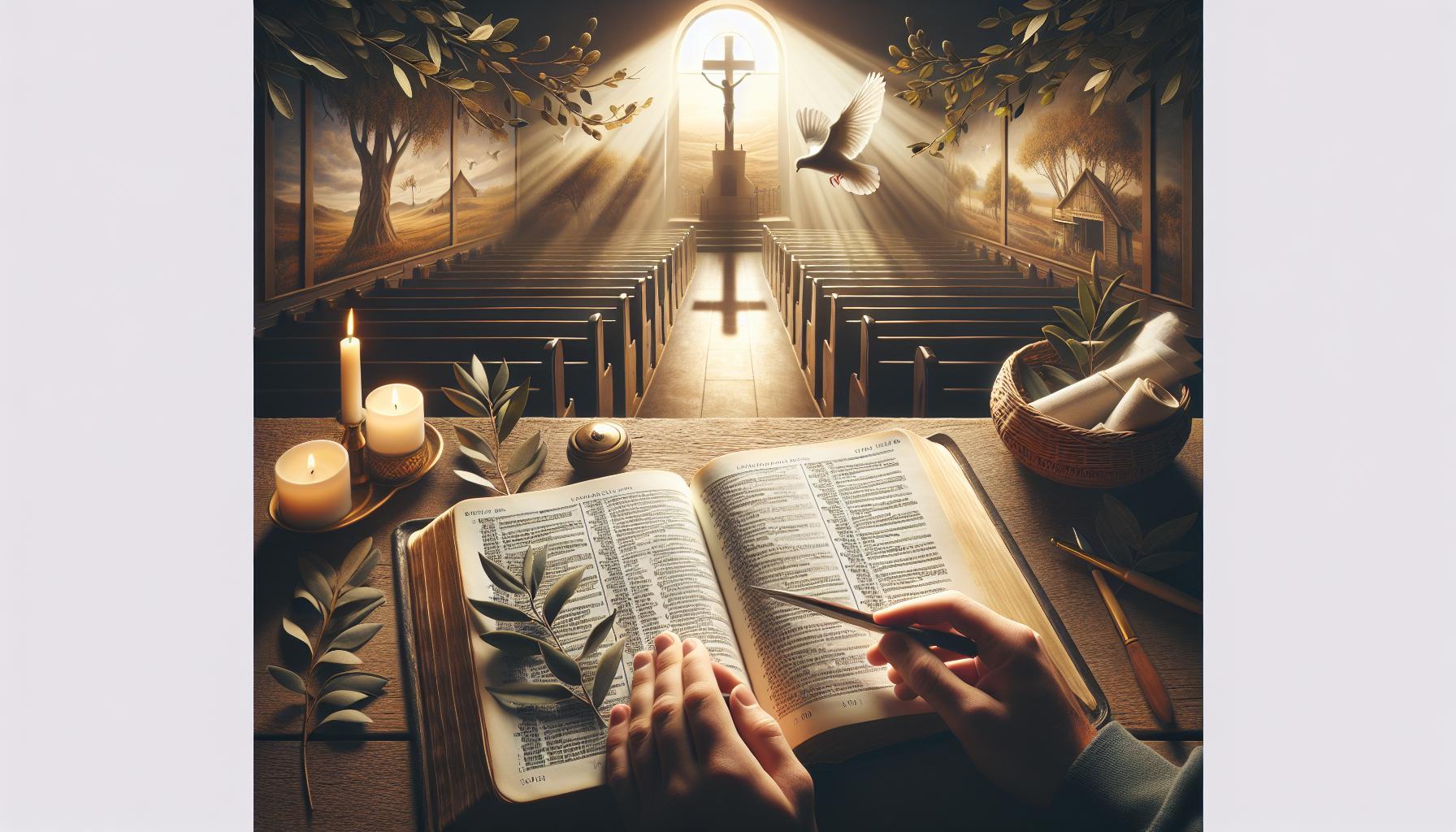
Exploring the Historical Context of Refuge in Scripture
throughout the pages of Scripture, the theme of refuge resonates deeply within the historical context of the ancient Near East. During biblical times,people faced an array of threats,from natural disasters to military invasions,and the call for safety and protection was ever-present. In this milieu,the understanding of refuge transcended mere physical shelter; it became synonymous with divine assurance and spiritual safety.
Key Historical Contexts Surrounding Refuge:
- Walled cities: ancient communities frequently enough fortified themselves with walls to provide physical refuge against enemies. This concept reflects the biblical representation of God as a fortress, emphasizing His ability to protect and secure His people.
- The Cities of Refuge: Established under Mosaic law, these cities allowed those who committed accidental manslaughter to find safety from vengeance. This illustrates a profound understanding of justice tempered with mercy, showcasing God’s protection even in the midst of wrongdoing.
- Psalms of Ascent: These songs, sung by pilgrims heading to Jerusalem, depict a journey towards God, who is portrayed as a refuge and stronghold, highlighting the communal quest for safety under God’s wings.
The use of the word “refuge” in Scripture frequently enough highlights more than physical safety; it encapsulates a spiritual reality. The Psalms vividly illustrate this with phrases such as “My refuge and my fortress” (Psalm 91:2), which not only provides comfort but also reflects a deep-seated belief in God’s omnipotence during times of distress. Through these expressions, the faithful are invited to take shelter in a divine presence that transcends their immediate circumstances, pointing towards a communal understanding of God as the ultimate protector.
Moreover, the historical contexts of danger—be it from foreign powers or natural calamities—further align the notion of refuge with the human experience of vulnerability. This layered meaning invites believers today to contemplate the multifaceted role of God in their lives as a source of strength, comfort, and safety amidst chaos. Understanding these elements cultivates a richer viewpoint on reliance upon divine refuge in both personal and communal contexts.
Divine Protection: Key Biblical Passages That Offer Assurance
Throughout the Bible, numerous passages convey the theme of divine protection, offering assurance to those seeking refuge in God. These scriptures serve as a testament to the safety one can find through faith, frequently enough using vivid imagery and powerful promises. Here are a few key verses:
- Psalms 91:1-2: “He who dwells in the secret place of the Most High shall abide under the shadow of the Almighty. I will say of the Lord, ‘He is my refuge and my fortress, my God, in whom I trust.’”
- Isaiah 41:10: “Fear not, for I am with you; be not dismayed, for I am your God; I will strengthen you, I will help you, I will uphold you with my righteous right hand.”
- Proverbs 18:10: “The name of the Lord is a strong tower; the righteous man runs into it and is safe.”
- Psalm 46:1: “God is our refuge and strength, a very present help in trouble.”
These passages provide not only comfort but also a clear understanding of the nature of God’s protection. They emphasize the importance of trust and the relationship believers have with the divine as a source of strength during times of distress. The imagery used, particularly that of a strong tower and a fortress, highlights stability and safety, assuring us that no matter the circumstance, refuge is readily available.
The assurance of divine protection is further encapsulated in the following table, summarizing the key attributes of God’s protective promises:
| Scripture | Key Assurance |
|---|---|
| Psalms 91:1-2 | God is a shelter and stronghold |
| Isaiah 41:10 | Presence and strength in fear |
| Proverbs 18:10 | Safety in the Lord’s name |
| Psalm 46:1 | Immediate help in troubles |
These verses and their promises encourage believers to lean on God during challenging times, reminding us that divine protection is always accessible. The act of seeking refuge in the Almighty is not merely about physical safety; it is also a profound spiritual assurance that transcends fear and adversity.
The Symbolism of Refuge: Interpreting Spiritual safety
The concept of refuge in the Bible serves as a profound symbol of spiritual safety, resonating deeply within the hearts of believers. This protective imagery invites us to consider the various dimensions of what it means to find solace in God’s presence. Throughout biblical narratives,refuge is often depicted as a physical and spiritual sanctuary,a place where one can escape the turmoil and perils of the world.
Scriptural passages illustrate the multifaceted nature of refuge, encapsulating themes of divine protection, comfort, and trust. As an exmaple, Psalms frequently portray God as a fortress and strong tower, emphasizing the strength and security found in Him. Here are some key elements that underline the symbolism of refuge:
- Divine Protection: God is described as a protector who shields His followers from physical and spiritual adversities.
- Emotional Safety: Refuge represents a safe space where individuals can express their vulnerabilities and anxieties without fear.
- Guidance and Wisdom: Finding refuge in God frequently enough leads to gaining clarity and direction during times of confusion.
- Community: The concept of refuge extends beyond individuals to encompass the gathering of believers who support and uphold one another.
This spiritual sanctuary is not merely a retreat from external threats but also an invitation to dwell in a deeper relationship with the divine. The Bible’s portrayal of refuge encourages believers to actively seek God in times of adversity, as noted in the following verses:
| Verse Location | Key Message |
|---|---|
| Psalms 46:1 | “God is our refuge and strength, an ever-present help in trouble.” |
| Psalms 91:2 | “I will say of the Lord, ‘He is my refuge and my fortress, my God, in whom I trust.’ |
| Proverbs 18:10 | “The name of the Lord is a strong tower; the righteous run to it and are safe.” |
In essence, understanding the symbolism of refuge in scripture not only enhances one’s spiritual journey but also reinforces the vital connection between faith and safety. Embracing this concept allows individuals to navigate life’s challenges with a profound sense of assurance, knowing they have an unwavering source of strength in God.
practical Applications: Finding refuge in Everyday Life
Finding refuge in our daily lives is essential for cultivating peace and resilience in an often chaotic world. The concept of refuge extends beyond a mere physical space; it embodies a state of emotional and spiritual security. Just as the Bible reflects various dimensions of refuge, so do our everyday actions and environments play a critical role in establishing that protective sanctuary. Here are some practical applications that can bring this spiritual principle into our day-to-day experiences:
- Creating a Sacred Space: Design a quiet corner in your home—the ‘refuge’—where you can retreat for prayer, meditation, or reflection.This space can be surrounded by meaningful objects such as candles, scriptures, or photographs that invoke a sense of calm.
- Daily Rituals: Incorporate practices such as gratitude journaling or mindful breathing exercises into your routine. These small acts can help center your mind and spirit, serving as reminders of the safety and peace that comes from connecting with God.
- Nature as Refuge: Seek solace in the natural world. Whether it’s a walk in the park or quiet time by a lake, nature can be a profound source of refuge, allowing us to connect to the Creator and find tranquility amidst life’s stresses.
Moreover, fostering relationships that embody mutual support can also represent a form of refuge. Building community ties offers a safety net, where shared faith and trust can help individuals navigate life’s storms. Consider how your social interactions can reflect the biblical principle of refuge with the following:
| actions | impact |
|---|---|
| Being Available for Others | Creates a safe environment for sharing burdens |
| Encouraging Open Communication | Builds trust and understanding, enhancing support |
| Participating in Community Activities | Strengthens bonds and promotes a collective sense of security |
Ultimately, embracing the essence of refuge in everyday life involves actively engaging in practices and relationships that foster safety and peace. By integrating these principles, we can navigate our challenges with greater confidence, drawing strength from the refuge that God provides.
Building a faith-Based Support System for Safety and Security
To cultivate a robust faith-based support system that emphasizes safety and security, one must first recognize the diverse ways faith can offer refuge and resilience. Throughout scripture, the notion of God as a protector is prevalent, providing a framework for understanding how a supportive community can reflect those divine qualities. Consider the following elements when building such a system:
- Community Gathering: Creating small groups within your faith community can foster deeper connections and mutual support, allowing individuals to share their experiences and find solace in shared faith.
- prayer Networks: Establishing a prayer chain can enhance the spiritual safety net. This proactive approach invites members to pray for each other’s needs and challenges, reinforcing a collective sense of security.
- Educational Programs: Organizing workshops or seminars can equip members with knowledge on safety protocols, mental health resources, and conflict resolution strategies, creating a well-rounded support environment.
- Counseling Services: Offering access to faith-based counseling can provide individuals with expert guidance, ensuring that emotional and psychological safety are prioritized within the community.
Moreover, it’s crucial to develop an atmosphere of trust and openness. Encourage members to share personal experiences related to safety and refuge, fostering a culture of clarity and vulnerability. By keeping lines of communication open, communities can work together to identify and address specific safety concerns, making everyone feel more secure and supported.
| Support Element | Impact |
|---|---|
| Small Groups | Encourages personal connections and trust |
| Prayer Chains | Strengthens collective faith and support |
| Workshops | Provides safety knowledge and skills |
| Counseling Services | Offers professional emotional support |
Encouragement Through Community: Seeking Refuge Together
In our pursuit of solace and assurance, turning to a supportive community can be an invaluable avenue for finding refuge. The Bible emphasizes the significance of coming together, encouraging the faithful to gather and uplift one another. Acts 2:44-47 highlights how the early church thrived in unity, sharing their lives and resources. this model serves as a powerful reminder of the strength found in collective worship and fellowship.
We can draw from various forms of support that a community can provide:
- Emotional Support: Sharing burdens and joys helps individuals feel less isolated in their struggles.
- Spiritual Growth: Engaging in group studies or prayer meetings fosters a deeper understanding of God’s word.
- Physical Assistance: Providing meals, transportation, or help during tough times shows tangible expressions of care.
To illustrate the role of community in seeking refuge, consider the example of David, who frequently turned to his faithful companions during his own trials. in Psalm 55:14, he laments, “We who enjoyed fellowship at the house of God—how we walked with the throng and entered the house of God!” This indicates that even in moments of despair, the strength taken from communal bonds can fuel one’s faith and resolve.
| Aspects of Community Support | Biblical References |
|---|---|
| Encouragement | 1 Thessalonians 5:11 |
| Prayer | Matthew 18:20 |
| Service | Galatians 5:13 |
| Leadership | Hebrews 13:17 |
By coming together in times of need, we strengthen our faith and reinforce our connection to the divine. The community stands not just as a shelter but as a lighthouse guiding us through the storms of life. It reminds us that seeking refuge in God is frequently enough best sought in the company of others. Together, we can experience the profound truth that “where two or three gather in His name, there He is with them” (Matthew 18:20). This collective refuge becomes a source of profound strength, illuminating our paths and leading us back to the heart of God’s love and safety.
Navigating Lifes Storms: Trusting in Gods Promises for Refuge
Throughout the Bible, the concept of refuge highlights a profound promise available to those seeking safety during life’s turbulent moments. Refuge can be understood as a sanctuary,a place where individuals can retreat from chaos and find peace through their faith in God. Scripture frequently enough emphasizes this idea, illustrating that true refuge is not just a physical space, but a deep spiritual connection with the divine. Here are a few key points to consider:
- Psalms of Protection: The Book of Psalms is filled with verses that assert God as a refuge. For example, psalms 46:1 declares, “god is our refuge and strength, an ever-present help in trouble.” This reinforces the understanding that in any storm, we have a protective shelter in Him.
- Jesus as Our Shelter: In the New Testament, Jesus describes Himself as a comforting presence, as seen in Matthew 11:28, where He invites those who are weary to “come to me, all you who are weary and burdened, and I will give you rest.” This invitation speaks to the emotional and spiritual refuge He provides.
- The Role of Faith: Trusting in God’s promises is crucial.Hebrews 11:1 teaches that “faith is confidence in what we hope for and assurance about what we do not see.” Strengthening one’s faith can frequently enough lead to spiritual clarity and peace during distressing times.
Understanding refuge in biblical context encourages believers to grasp the significance of surrendering their troubles to God. They learn to rely on His faithfulness, rather than their own understanding. This perspective not only fosters resilience but also cultivates a sense of belonging and community, as believers often find refuge not just individually, but collectively through fellowship and support systems rooted in faith.
| Scripture | Meaning of Refuge |
|---|---|
| Psalms 91:2 | “I will say of the Lord, ‘He is my refuge and my fortress, my God, in whom I trust.'” – Trusting in God’s protective nature. |
| Proverbs 18:10 | “The name of the Lord is a fortified tower; the righteous run to it and are safe.” – God as an impenetrable stronghold. |
| Isaiah 41:10 | “Do not fear, for I am with you; do not be dismayed, for I am your God.” - reassurance of God’s presence giving comfort. |
Q&A
What is the Biblical significance of the term ‘refuge’?
The term “refuge” in the bible often relates to safety and security provided by God during times of trouble or uncertainty. It is mentioned numerous times throughout both the Old and New Testaments, emphasizing that God serves as a place of safety that believers can trust in. the word itself comes from the Hebrew term ma’oz, which means a place of strength, and migdol, referring to a stronghold. this dual aspect of refuge combines the idea of protection from external dangers with the inner strength that faith in God provides.
A notable example is found in Psalm 46:1, which states, “God is our refuge and strength, a very present help in trouble.” This passage encapsulates the idea that God not only offers physical safety but also emotional and spiritual support. Another significant reference is Proverbs 14:26,which says,”In the fear of the Lord,one has strong confidence,and his children will have a refuge.” This highlights how reverence for God creates a secure environment not only for the individual but also for their family, underscoring the communal aspect of divine refuge.
How can we find refuge in God during times of distress?
Finding refuge in God during distress involves cultivating a relationship built on trust and faith.In practical terms, this means turning to prayer, engaging with Scripture, and participating in communal worship. Each of these practices reinforces the belief that God is actively present and involved in the lives of believers, guiding them through difficulties.
As a notable example, Philippians 4:6-7 encourages believers to present their anxieties to God through prayer and supplication. The promise here is that the peace of God will guard their hearts and minds. This illustrates that finding refuge is not solely about escaping danger but also about experiencing inner peace amidst turmoil. Moreover, Psalm 91:1-2 underscores the importance of dwelling in God’s presence, stating, “He who dwells in the secret place of the Most High shall abide under the shadow of the Almighty.” This metaphorical language paints a picture of safety and protection that comes from being close to God.
What role does community play in finding refuge?
Community plays a crucial role in finding refuge, as the Bible promotes a collective approach to faith and support. Believers are frequently enough encouraged to lean on one another during challenging times, echoing the sentiment found in Galatians 6:2, which urges individuals to “bear one another’s burdens.” This suggests that a strong community not only provides emotional and physical support but also serves as a reflection of God’s love and care.
Moreover, sharing experiences within a community can foster a sense of belonging and reduce feelings of isolation in distressing times. Such as, Acts 2:44-47 describes the early Church as a community that shared everything in common, showcasing how mutual support and shared resources can enhance the sense of safety and refuge. Thus, while individual faith is essential, communal ties can considerably amplify the protective and nurturing aspects of finding refuge in God.
are there specific promises associated with finding refuge in God?
Yes,the Bible contains numerous promises that assure believers of God’s protection and refuge. These promises can serve as sources of encouragement and hope, particularly during difficult life circumstances.For instance, Isaiah 41:10 states, “Fear not, for I am with you; be not dismayed, for I am your God; I will strengthen you, I will help you, I will uphold you with my righteous right hand.” This verse not only provides reassurance of God’s presence but also promises strength and assistance amid fear and uncertainty.
Moreover, Psalm 91 is frequently enough referred to as the “refuge psalm,” where God promises deliverance from many perils. Verses within this psalm describe how God will protect those who trust in Him, using metaphors that evoke safety, like being covered by His feathers. These promises instill confidence and encourage believers to rely fully on God as their refuge,reinforcing the understanding that spiritual safety transcends physical circumstances.
How does the concept of refuge shape our understanding of God?
The concept of refuge significantly shapes our understanding of God as an accessible and protective entity who desires a personal relationship with His followers. It emphasizes His role as a loving father who shelters and cares for His children, offering them stability and comfort.the multiple affirmations of God as a refuge throughout the Scriptures illustrate a deep aspect of divine character, showcasing Him not just as a distant deity but as an intimate presence in our daily lives.
Additionally,God’s role as refuge invites believers to view challenges as opportunities for greater reliance on Him and fosters spiritual growth. By seeking refuge during difficult times,individuals may deepen their faith and experience a more profound understanding of God’s steadfastness. This understanding allows believers to approach challenges with the confidence that they are supported by a loving and powerful God, fundamentally changing their perspective on hardship.
What are some practical ways to integrate the idea of refuge into daily life?
Integrating the idea of refuge into daily life can be approached through intentional practices that reinforce reliance on God. Here are some practical methods:
- Prayer and Meditation: Establish a routine of prayer that acknowledges God as your refuge. Spending quiet moments meditating on verses like Psalm 62:7-8, which states, “On God rests my salvation and my glory; my mighty rock, my refuge is God,” can be profoundly grounding.
- Scripture Engagement: Regularly reading and reflecting on passages related to God’s protective nature, such as Psalm 91 or Psalm 18:2, helps internalize the concept of refuge.
- Worship and Fellowship: Participate in worship services and engage with a faith community that encourages mutual support. Sharing your burdens and receiving prayer from others can reinforce the sense of refuge in God.
- Journaling: Keep a journal to document times when you have experienced God’s refuge in your life or instances where prayer has provided clarity and peace. Reflecting on these experiences can enhance gratitude and awareness of God’s continual presence.
By incorporating these practices, believers can create a richer context for understanding and experiencing God as their refuge, fortifying their faith as they navigate life’s challenges.
In Summary
In exploring the profound concept of refuge in the Bible, we uncover a timeless promise of safety and security found in our relationship with God. From the ancient psalms to the teachings of Jesus, the messages are clear: in moments of fear, uncertainty, and turmoil, turning to God provides not just shelter but also strength and peace. By understanding the scriptural context and the symbolism associated with refuge, we embrace a deeper sense of trust and reliance on the divine. Whether you are seeking solace in prayer, community, or introspection, the bible offers a rich tapestry of assurance. May this exploration inspire you to seek refuge in faith, knowing that you are never alone in your journey.